Welcome! 歡迎! Huan-gîng--ooh!
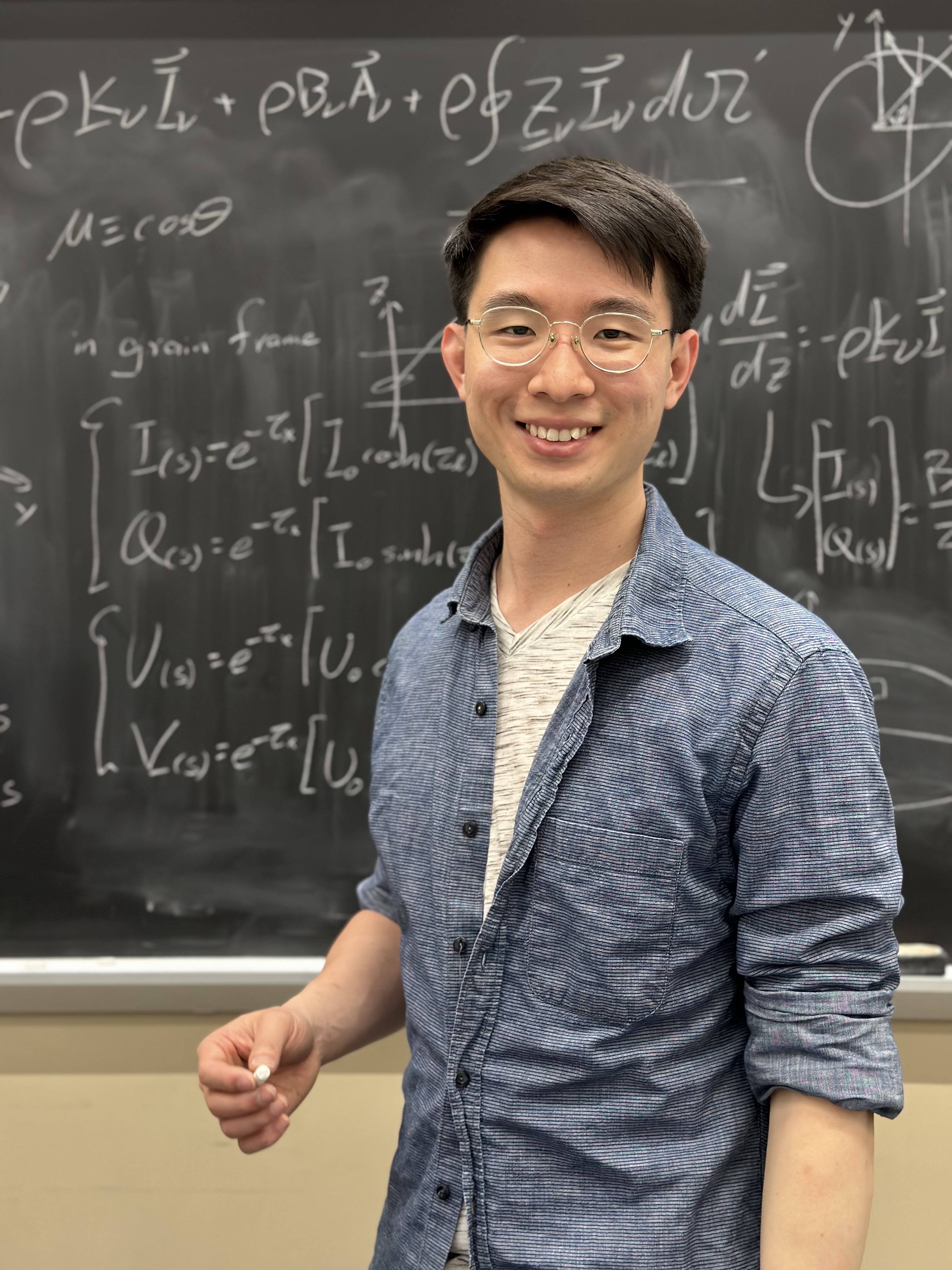
I am a Jansky Fellow at the National Radio Astronomy Observatory in the USA. My work focuses on understanding the behavior and properties of dust throughout the planet formation process from protoplanetary disks to debris disks. Through observations and theoretical modeling, I investigate the processes that transform interstellar dust into the building blocks of planets.
I was a postdoc at the Earth and Planets Laboratory of Carnegie Science working with Alycia Weinberger. I received my Ph.D. in Astronomy from the University of Virginia in 2024, where I worked with Prof. Zhi-Yun Li and Dr. John Tobin. Prior to my graduate studies, I earned my B.S. in Physics from National Chung Cheng University (中正大學) and worked at Academia Sinica Institute of Astronomy and Astrophysics as a research assistant with Dr. Hsi-Wei Yen (顏士韋) and Dr. Chin-Fei Lee (李景輝).
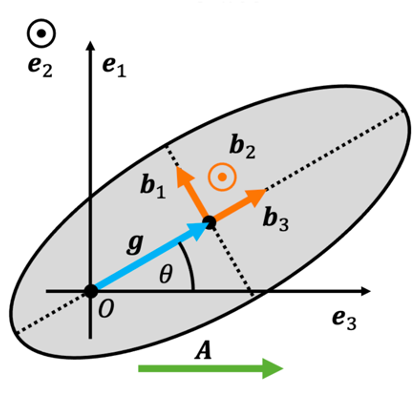
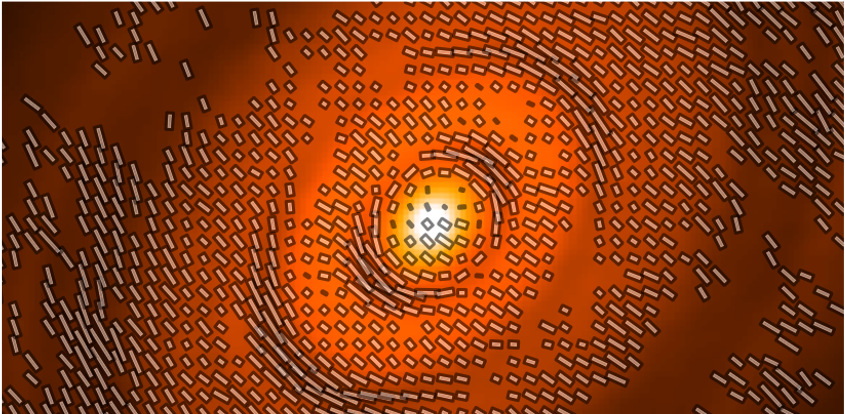
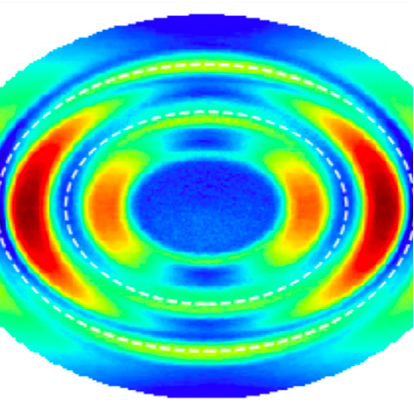
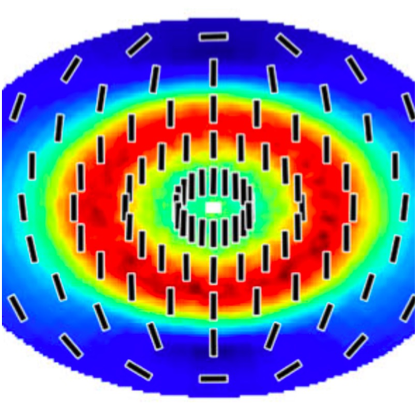
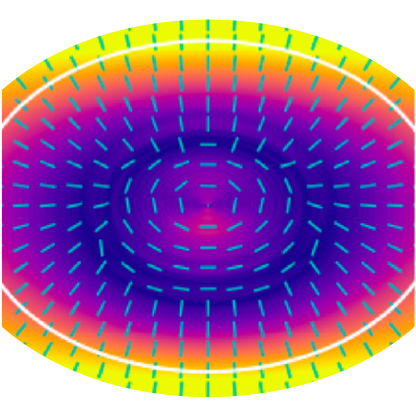
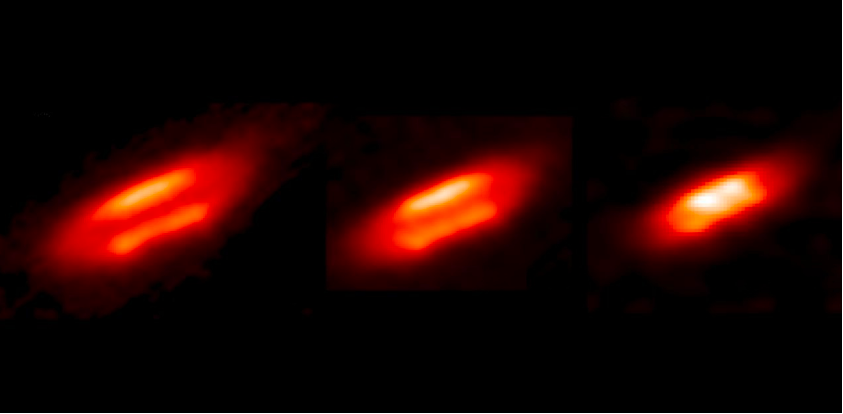
My research utilizes cutting-edge observational data, including high-resolution imaging and polarimetry using the Atacama Large Millimeter/submillimeter Array (ALMA). I implement advanced computational methods such as 3D Monte Carlo radiation transfer simulations and AI such as neural networks to gain physical insight from data. I am passionate about unraveling the complexities of dust evolution in diverse astrophysical environments and its implications for planet formation.
我是美國國立電波天文台(National Radio Astronomy Observatory)的研究員(Jansky Fellow)。我的研究重點是了解行星系統的形成與演化,追蹤塵埃從原行星盤到岩屑盤的變化歷程。透過觀測與理論模型,我研究將星際塵埃轉化為行星構建基塊的過程。
我曾在卡內基科學院(Carnegie Science)地球與行星實驗室擔任博士後研究員,與 Alycia Weinberger 博士合作。我於 2024 年在維吉尼亞大學(University of Virginia)取得天文學博士學位,師從 Zhi-Yun Li 教授和 John Tobin 博士。在攻讀研究所之前,我在國立中正大學取得物理學學士學位,並在中央研究院天文及天文物理研究所擔任顏士韋博士和李景輝博士的研究助理。
我的研究利用頂尖的觀測技術,包括使用阿塔卡馬大型毫米及次毫米波陣列(Atacama Large Millimeter/submillimeter Array;ALMA)進行高解析度成像與偏振光分析。偏振光揭示了塵埃顆粒的微觀特性,為探索行星形成環境的物理條件提供了一扇窗。我結合先進的計算方法,包括三維蒙特卡洛輻射轉移模擬,以及神經網路等機器學習方法,從數據中獲取物理洞見。我熱衷於追蹤塵埃在各種天文物理環境中的演化過程,以及這些塵埃的演化如何決定行星系統之初。歡迎由下方了解更多關於我的工作!我一向樂於與行星形成、原行星盤及相關天文物理領域的研究者進行合作與討論。
Guá sī Bí-kok Kok-lịp Tiān-pho Thinn-bûn-tâi (National Radio Astronomy Observatory; NRAO) ê gián-kiù-uân (Jansky Fellow). Guá ê gián-kiù tiōng-tiám sī liáu-kái kiânn-tshenn hîng-sîng tsá-kî ê tîn-ia ê kiânn-tạh kah tịk-sìng. Thàu-kuè kuan-tshik tsham lí-lūn bôo-hîng, guá gián-kiú àn-tsuánn kā sing-tsè tîn-ia tsuán-huà sîng kiânn-tshenn ki-tè ê kuè-tîng.
2024 nî sî, guá tī Ui-tsí-ni-a Tāi-hàk (University of Virginia) tit-tiọh thinn-bûn phok-sū hạk-uī, tuè LI Zhi-Yun kàu-siū kah John TOBIN phok-sū hạk-sịp. Tsiânn-tsò gián-kiù-sing tsìn-tsîng, guá tī Kok-lịp Tiong-tsìng Tāi-hàk (國立中正大學) tit-tiọh bụt-lí-hạk hạk-ūi, koh tī Tiong-ng Gián-kiù-īnn kah Thinn-bûn-bụt-lí Gián-kiù-sóo (中央研究院天文及天文物理研究所) tam-jīm YEN Hsi-Wei (顏士韋) phok-sū kah LEE Chin-Fei (李景輝) phok-sū ê gián-kiù tsōo-lí.
Guá ê gián-kiù ūn-iōng tíng-tsiam ê kuan-tshik kang-hu, kânn sú-iōng ALMA tsìn-hîng kuân kak-hun-piān-lụt sîng-siōng kah phian-tín-kng, kap sian-tsìn kè-sǹg hong-huat, pí-lūn sann-uî Monte Carlo hok-siā tsuán-î bôo-gí. Guá lóo-lịk kiat-sī tsióng-tsióng thinn-bûn-bụt-lí khuân-kíng tiong tîn-ia ián-huà ê họk-tsạp kah tuì kiânn-tshenn hîng-sîng ê íng-hióng.
Kín-lâi khuànn ē-kha khah tsē iú-kuan-tiọh guá ê khang-khuè! Guá huann-hí-lâi kah pạt ê gián-kiù-uân hạp-tsok koh thó-lūn kiânn-tshenn hîng-sîng, guân-kiânn-tshenn-puânn, kah siong-kan ê thinn-bûn-bụt-lí.